
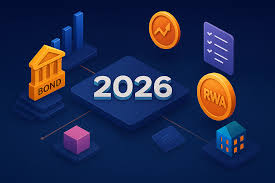
Analysts project a major shift in crypto investment behavior in 2026 as traders move capital away from speculative meme coins and toward Real-World Asset (RWA) tokenization projects. Investors treat RWA tokens as value-backed digital assets because they connect blockchain technology with real-economy instruments such as bonds, treasury bills, real estate, commodities, and private credit markets. Traders view this shift as a sign of market maturity because investors prefer sustainable returns instead of hype-driven volatility. Institutions explore RWA platforms because tokenization improves liquidity, transparency, and asset accessibility.
Investors treat 2026 as a structural turning point for blockchain utility. Traders prioritize projects with measurable revenue models, regulated asset backing, and real-world integration. Meme coins still attract speculative traders, but analysts observe declining long-term holding interest. Investors adopt disciplined crypto strategies because utility-focused ecosystems support stronger fundamentals and more predictable growth potential.
Why RWA Tokenization Gains Investor Confidence Over Meme Coins
RWA tokenization attracts analysts and portfolio managers because it links digital assets with real-world financial value. Investors gain exposure to tokenized bonds, yield-bearing instruments, and institutional-grade asset pools through blockchain networks. Traders prefer RWA platforms because they generate consistent returns rather than relying on viral trends or social-media speculation. Investors treat transparency, on-chain auditability, and custodial backing as key trust drivers in RWA adoption.
Meme coins depend on hype cycles and speculative trading activity. Investors face higher risk because price movements rely on sentiment instead of fundamentals. Analysts expect reduced meme-coin dominance in 2026 because investors pursue risk-controlled strategies. RWA tokenization strengthens long-term investor confidence and encourages broader financial participation in crypto markets.
How RWA Tokenization Impacts Crypto Trading and Market Liquidity
RWA tokenization improves liquidity because tokenized assets trade faster than traditional financial products. Investors access fractional ownership in previously illiquid markets such as real estate, credit pools, and institutional debt. Traders benefit from 24-hour blockchain settlement, reduced transaction friction, and broader global accessibility. Investors use tokenized instruments for yield strategies, portfolio hedging, and stable value accumulation.
Crypto traders treat RWA tokens as defensive assets during volatile market cycles. Investors rotate capital from meme coins into RWA projects because stability and yield potential support long-term portfolio strength. Analysts expect increased on-chain trading volumes as financial institutions integrate tokenized asset products into digital investment platforms.
Institutional Adoption Accelerates the RWA Ecosystem
Institutional investors play a major role in the rising popularity of RWA tokenization in 2026. Asset managers, fintech firms, and regulated financial institutions explore blockchain-based token issuance models. Investors gain access to treasury-backed tokens, credit instruments, and commercial asset pools through secure digital frameworks. Traders trust institutional integration because regulatory oversight improves credibility and reduces counter-party risk.
Investors treat institutional participation as a validation signal for RWA growth. Analysts expect more partnerships between banks, payment platforms, and blockchain providers as financial markets adopt tokenization at scale. Broader participation accelerates innovation and supports long-term RWA ecosystem expansion.
Why Meme Coins Lose Long-Term Investment Appeal
Meme coins continue to generate short-term trading activity, but analysts observe declining investor conviction in 2026. Traders still speculate during hype cycles, yet capital inflows shift toward utility-driven assets. Investors prefer measurable value creation instead of personality-driven narratives and promotional campaigns. Analysts highlight liquidity risks, pump-and-dump cycles, and low real-world integration as major weaknesses in meme-coin ecosystems.
Investors approach meme-coin trading with caution because price trends remain unpredictable. Traders follow disciplined strategies and prioritize portfolio balance rather than full speculation exposure. Analysts believe that the rise of RWA tokenization accelerates the decline of meme-coin dominance across mature crypto markets.
RWA Tokenization Strengthens Long-Term Crypto Market Stability
RWA tokenization supports structural stability in the crypto ecosystem because it connects blockchain infrastructure with regulated financial assets. Investors hold RWA tokens for yield, collateralization, and portfolio diversification. Traders benefit from stronger trust mechanisms, institutional custody, and asset-backed security frameworks. Analysts believe that RWA integration encourages mainstream adoption and strengthens crypto credibility in global financial markets.
Investors expect continued growth in tokenized bonds, lending markets, and asset-based yield platforms through 2026 and beyond. Traders treat RWA as a core pillar of the next generation of blockchain adoption.
Conclusion: RWA Tokenization Emerges as the Strategic Winner for 2026
Analysts forecast that Real-World Asset tokenization will outperform meme-coin speculation in 2026 because investors prioritize stability, transparency, and real-economy integration. Traders adopt disciplined investment behavior and rotate capital toward yield-driven, asset-backed crypto instruments. Institutions accelerate adoption and reinforce trust across tokenized asset markets. Meme coins remain active in speculative trading cycles, but long-term growth momentum shifts toward utility-focused blockchain ecosystems.
Investors treat RWA tokenization as a transformative step for global finance because it merges blockchain technology with regulated asset markets. The 2026 outlook signals a more mature, sustainable, and value-centric crypto environment.
Frequently Asked Questions (FAQ)
RWA tokens represent digital versions of real-world assets such as bonds, real estate, treasury bills, and credit instruments issued and managed on blockchain networks.
Analysts prefer RWA projects because they provide asset backing, regulatory alignment, revenue potential, and stronger long-term investment stability.
Yes, meme coins still attract speculative traders, but investors reduce long-term exposure because price trends rely on hype and sentiment rather than fundamentals
RWA tokenization improves liquidity, enables fractional ownership, supports yield-based strategies, and expands access to institutional-grade financial products.
Analysts expect sustained growth because financial institutions, fintech firms, and asset managers increasingly integrate tokenized instruments into mainstream investment platforms.