
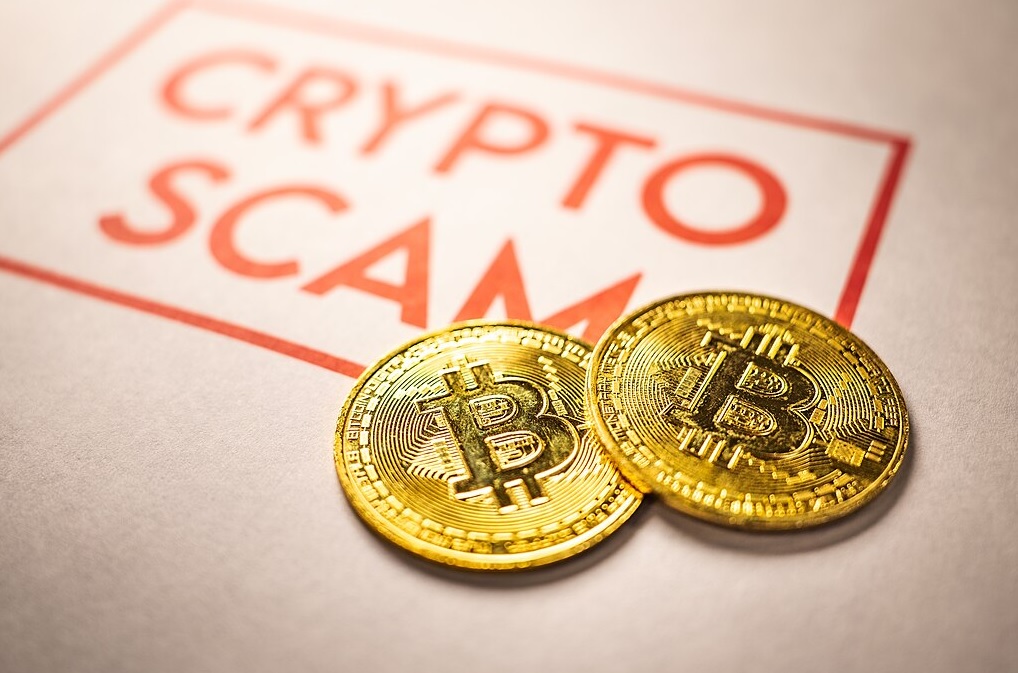
The United States government has urged a federal court to impose a 12-year prison sentence for Do Hyeong Kwon, the former co-founder of Terraform Labs, highlighting one of the largest fraud cases in crypto history. Kwon’s actions triggered the 2022 collapse of TerraUSD (UST) and its sister token Luna (LUNA), resulting in roughly $40 billion in global investor losses.
U.S. prosecutors characterized Kwon’s conduct as a “colossal fraud” that destabilized markets and cost everyday traders and institutions enormous sums. While the court later imposed a harsher sentence, the federal push for 12 years reveals how authorities are escalating enforcement in crypto fraud cases.
Long Legal Battle After a Market Catastrophe
The Terraform ecosystem once promised resilient algorithmic stablecoins and high-yield crypto products.attracting tens of thousands of investors. However, when TerraUSD lost its one-to-one peg to the U.S. dollar in May 2022, its engineered recovery failed and both UST and LUNA collapsed. The event sparked widespread liquidations, panic selling, and severe financial losses across the crypto market.

Prosecutors alleged that Kwon misled investors by claiming an algorithm rather than human intervention restored value after earlier depegging efforts, effectively inflating investor confidence without full disclosure.
After international manhunts, a fraud trial, extradition from Montenegro, and a guilty plea in August 2025, Kwon faced sentencing in Manhattan’s federal court. U.S. District Judge Paul A. Engelmayer oversaw the proceedings.
Prosecutors Call Terra Collapse “Colossal” Fraud
Federal prosecutors described Kwon’s offense as one of the most damaging frauds in crypto history — surpassing losses in other high-profile crashes such as FTX, Celsius, and One Coin. In court documents, they urged the judge to impose up to a 12-year prison term under the terms of a plea agreement that capped the recommendation there.
Prosecutors argued that the scale of investor harm, global market disruption, and deceptive conduct warranted a sentence that would deter future crypto frauds. They also highlighted the sophistication of the schemes, which involved multiple misrepresentations about Terra’s stability mechanisms.
This recommendation was part of the plea negotiations following Kwon’s admission to conspiracy to defraud and wire fraud — charges that originally carried a maximum of 25 years in prison under U.S. law.
Defense Pushes for Leniency
In contrast, Kwon’s defense team asked the court to cap his sentence at five years, citing factors such as the nearly three years he already spent in detention, including harsh conditions in Montenegro prior to extradition. They also noted his cooperation in the plea deal and his forfeiture of over $19 million in assets connected to the fraud.
The defense argued that 12 years — and especially higher — would be disproportionate given his age, cooperation, and time served. However, federal judges typically consider the magnitude of market impact and harm to private victims when determining final sentencing.
Judge Imposes Harsher Sentence
On December 11, 2025, Judge Engelmayer delivered a 15-year prison sentence, exceeding the government’s 12-year recommendation. The judge described the Terra collapse as “a fraud on an epic, generational scale,” emphasizing the widespread devastation faced by investors who lost savings, retirement funds, and key financial resources.
Engelmayer cited hundreds of victim statements and psychological impact testimonies that illustrated long-term harm. While the defense sought leniency, the judge rejected a lower term, labeling the defense request “unreasonable” given the scope of the fraud and market outcomes.
The 15-year sentence followed deep consideration of Kwon’s actions and acknowledges that, while cooperation matters, “oversight failure alone does not excuse a fraud of this scale.” The sentence also aligns with the court’s intent to deter similar misconduct in global crypto markets.
Broader Regulatory and Market Implications
The Terra case highlights the evolving landscape of crypto enforcement and accountability. Regulators and courts increasingly treat digital asset fraud with seriousness comparable to traditional financial frauds. The firm’s collapse contributed to broader scrutiny of algorithmic stablecoins, decentralized finance, and crypto ecosystem risk management.
For traders and investors, the case underscores the importance of due diligence, transparent disclosures, and skepticism toward excessively complex financial promises. Authorities are sending a clear message: misleading investors and causing systemic harm will lead to significant penalties.
Market Reaction and Investor Sentiment
Even as legal actions unfolded, markets responded dynamically. Tokens associated with Terra and its ecosystem occasionally experienced brief price spikes as traders speculated on sentiment related to sentencing news — although these movements often reflected short-term volatility rather than fundamental recovery.
Analysts note that rulings like this can improve overall market confidence by clarifying legal risk for institutional participants. Clear enforcement may attract more conservative capital into regulated crypto products over time. Cryptopolitan
What This Means for Global Crypto Oversight
The Do Kwon sentencing reflects a turning point in how courts around the world may approach major crypto fraud cases. As regulators coordinate internationally and prosecutors pursue significant sentences, the regulatory environment for crypto traders and founders tightens. Department of Justice
Investors should anticipate stricter reporting requirements, enhanced exchange oversight, and expectations for transparent disclosures — similar to standards in stock markets. The era of unchecked crypto innovation without accountability may be drawing to a close.
Final Thoughts
The U.S. push for a 12-year sentence — and the court’s ultimate decision to impose 15 years — shows that authorities will aggressively pursue justice in cases involving massive financial harm. This outcome sends a clear warning to current and future crypto founders: regulatory compliance and ethical conduct are essential for long-term viability.
For traders and holders, this case reinforces the need for caution, informed investment strategies, and respect for legal frameworks governing digital assets. As the crypto market matures, accountability may unlock greater trust and broader participation across global financial systems.