
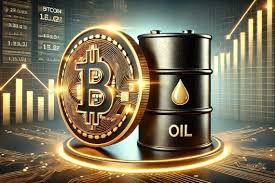
Geopolitical tensions intensify across key regions and immediately impact global energy markets. Investors react as supply concerns, shipping risks, and political instability influence crude oil pricing. Oil prices swing sharply as traders factor in potential disruptions to production and transportation routes. Energy markets respond quickly because geopolitical risk directly affects supply expectations. This volatility places oil at the center of global macro discussions.
Market participants closely monitor diplomatic developments and regional conflicts. Traders adjust positions as headlines drive rapid sentiment shifts. Energy stocks fluctuate alongside crude prices as uncertainty rises. Oil remains highly sensitive to geopolitical pressure because supply dynamics depend on stability. This environment creates frequent price spikes and pullbacks.
Oil Price Volatility Reflects Heightened Geopolitical Risk
Oil prices experience sudden rallies and corrections as geopolitical signals evolve. Investors price in worst-case scenarios when tensions escalate. Supply-side risks increase premiums in crude contracts. Traders respond aggressively as market liquidity reacts to uncertainty. Oil volatility becomes a defining feature of the current market phase.
Energy traders rely on technical levels and macro signals to manage risk. Rapid news cycles accelerate buying and selling activity. Governments and producers influence sentiment through policy statements and strategic decisions. Oil prices remain vulnerable to unexpected developments. This instability reinforces the importance of disciplined energy-market strategies.
Bitcoin Shows Resilience at Key Technical Support Levels
Bitcoin holds key support levels despite rising global uncertainty. Investors view Bitcoin as a macro-sensitive asset, yet price action shows relative stability. Traders defend major support zones as confidence remains intact. Bitcoin attracts attention because it does not depend on physical supply chains. This characteristic supports resilience during geopolitical stress.
Market participants interpret Bitcoin’s stability as a sign of growing maturity. Long-term holders continue accumulation strategies instead of panic selling. On-chain data shows steady network activity. Bitcoin benefits from decentralized design during global disruptions. This behavior contrasts sharply with traditional commodity volatility.
Crypto Traders Adjust Strategies Amid Macro Tension
Crypto traders adapt strategies as geopolitical risk influences broader markets. Volatility in oil and equities increases demand for alternative assets. Traders focus on key Bitcoin levels to manage entries and exits. Short-term traders capitalize on intraday moves while long-term investors remain patient. Strategy discipline becomes essential during uncertain conditions.
Stablecoins see increased usage as traders manage risk exposure. Bitcoin acts as a reference asset for the broader crypto market. Altcoins follow Bitcoin’s technical structure closely. Market participants balance caution with opportunity. This approach supports market stability even during global stress.
Investors Compare Bitcoin and Oil as Macro Indicators
Investors increasingly compare Bitcoin and oil as macro-economic indicators. Oil reflects physical supply risk and geopolitical instability. Bitcoin reflects digital liquidity, sentiment, and decentralization trends. The divergence highlights different market dynamics. Investors analyze both assets to gauge global risk appetite.
Oil responds instantly to conflict-driven headlines. Bitcoin responds more to monetary policy and investor confidence. This distinction attracts portfolio diversification strategies. Investors appreciate assets that behave differently under stress. Bitcoin’s performance strengthens its role in macro-aware portfolios.
Institutional Investors Monitor Bitcoin’s Support Strength
Institutional investors track Bitcoin’s technical levels during geopolitical turbulence. Support holding signals confidence and reduces downside fear. Institutions prefer assets that show stability under pressure. Bitcoin fits this profile as it absorbs global uncertainty without sharp breakdowns. This behavior reinforces institutional interest.
Professional investors apply structured risk models. Bitcoin’s response to geopolitical stress improves credibility. Institutions balance exposure across commodities, equities, and digital assets. Bitcoin’s independence from physical supply disruptions adds strategic value. This dynamic supports long-term adoption.
Market Sentiment Stabilizes Around Bitcoin’s Price Structure
Market sentiment improves as Bitcoin maintains key support zones. Traders gain confidence when price holds during macro shocks. Reduced panic selling limits extreme volatility. Investors interpret this as constructive market behavior. Stability encourages measured participation.
Sentiment indicators show cautious optimism. Traders remain alert but not fearful. Bitcoin continues to act as a market anchor within crypto. This role strengthens during global uncertainty. Confidence builds gradually rather than through hype.
What This Means for Investors in 2026
Geopolitical tensions shape market behavior in 2026. Oil prices remain vulnerable to global conflict and supply risk. Bitcoin demonstrates resilience through technical stability and investor conviction. Investors adapt strategies to account for divergent asset behavior. Risk awareness becomes a priority.
Diversification gains importance in this environment. Investors balance exposure across energy, crypto, and traditional assets. Bitcoin’s performance highlights its evolving macro role. Strategic planning replaces reactive decision-making. This approach supports long-term portfolio health.
Conclusion: Oil Volatility Meets Bitcoin Stability Amid Global Tension
Geopolitical tensions continue to shake oil markets while Bitcoin holds critical support levels. Oil reacts sharply to supply risk and political uncertainty. Bitcoin responds with resilience driven by decentralization and long-term confidence. Investors observe these contrasting behaviors closely. Market dynamics highlight shifting perceptions of value and risk.
This period reinforces Bitcoin’s growing role as a macro-relevant asset. Oil remains essential but vulnerable to global disruption. Investors who understand these differences position portfolios more effectively. The evolving landscape rewards discipline, diversification, and informed strategy.
Frequently Asked Questions (FAQ)
Geopolitical tensions threaten supply routes and production stability, which directly impacts oil pricing.
Bitcoin does not rely on physical supply chains and benefits from decentralized demand, which supports price stability.
Some investors view Bitcoin as a hedge during uncertainty, though it still carries volatility risk.
Investors should diversify portfolios, monitor key technical levels, and avoid emotional trading decisions.
Yes. Macro uncertainty influences sentiment, but Bitcoin’s resilience may strengthen long-term confidence.